April 16, 2026
Table of Contents
ToggleMost marketing teams are slow because the tools they use were made to work at a different speed. People plan campaigns weeks ahead of time. Audience segments stay the same until someone changes them. The issues arise after the damage is already done.
AI is closing that gap in 2026. Not by replacing marketers, but by doing the parts of the job that used to take time and precision: constantly monitoring, adjusting, personalising, and predicting across all channels.
Here are the eight automations that are really helping brands right now, along with a plain explanation of what each one does.
At a Glance: The 8 AI Automations
| Automation | What it actually does |
| Predictive Lead Scoring | Ranks leads by actual conversion likelihood using real behavioral data |
| Email and CRM Automation | Sends the right message to the right person without manual scheduling |
| AI Content Production | Handles drafts, structure, and reformatting so writers focus on what matters |
| AEO | Gets your content selected by AI search engines, not just ranked by Google |
| Google AI Ads | Places ads inside AI-generated search results based on context, not just keywords |
| Meta Ads Automation | Automates creative generation, audience targeting, and real-time budget optimization |
| Conversational AI | Handles product discovery, objections, and support across the full journey |
| Sentiment Analysis | Monitors brand perception in real time before problems escalate |
1. Predictive Lead Scoring and Funnel Automation
Manual lead scoring has two problems. It is slow, and it reflects whoever built the rubric, not actual buyer behavior.
AI fixes this by analyzing behavioral signals continuously: page visits, content downloads, email engagement, purchase history. It scores each lead based on what people actually do, not a static checklist. High-intent prospects surface automatically. Budget and attention go where conversion is most likely.
What this looks like in practice:
- Nurture sequences that adjust based on live engagement score, not campaign dates
- Budget reallocation toward high-intent segments without manual intervention
- Alerts when a lead’s behavior indicates they are close to a decision
2. Hyper-Personalized Email and CRM Automation
Generic email blasts have always had poor returns. In 2026, they carry an additional cost: they signal to customers that you are not paying attention.
AI-powered CRM tools now go well beyond merge tags. They track individual behavior patterns and trigger messages based on what each person has done, not what segment they belong to. The sequence adjusts when behavior changes. The timing shifts based on when each person actually opens emails.
Key capabilities now standard across most platforms:
- Send-time optimization based on individual open history, not a batch schedule
- Subject line and copy variation testing at scale, with winners applied automatically
- Lifecycle-aware sequences that update when a customer changes behavior
3. AI Content Production With Human Oversight
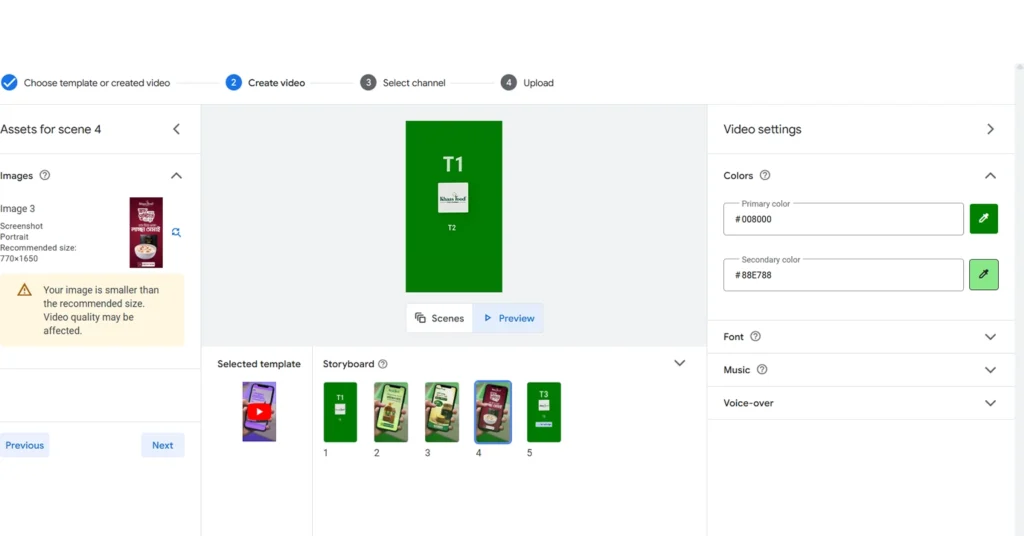
Content volume demands have outpaced human capacity. AI generation tools handle the parts of content work that do not require judgment: first drafts, outline structure, headline options, reformatting across channels.
The brands doing this well have not replaced their writers. They have restructured the workflow. AI output tends to be generic without human editing. The combination of AI speed with human specificity and voice is what produces content that performs.
A realistic workflow:
- AI generates draft and SEO structure based on target topic and keyword intent
- Human editor adds brand voice, firsthand examples, and subject matter depth
- AI handles reformatting for social, email, and short-form video scripts
AI-generated content fails when it goes out the door unedited. It works when it takes the load off writers so they can focus on the parts only humans can do.
4. AEO: Optimizing for AI Search, Not Just Google
This is the one most marketing teams are running behind on.
Gartner projects that traditional search engine volume will drop 25 percent by 2026 as users shift to AI assistants and answer engines. People ask ChatGPT, Perplexity, and Google AI Overviews a direct question and take the first answer they get. They do not scroll through a results page.
Answer Engine Optimization (AEO) is the practice of structuring content so AI systems select and cite it. The criteria are different from traditional SEO. Ranking for keywords matters less than being the source an AI pulls when someone asks a relevant question.
What AEO-ready content looks like:
- Direct question and answer structure with clean, scannable headers
- Schema markup applied: FAQ Page, How To, Article types
- Strong E-E-A-T signals: named authors, credentials, cited sources, updated dates
- Topical depth over keyword density, AI engines favor comprehensive, accurate coverage
5. Google AI Ads: When the Algorithm Becomes the Gatekeeper
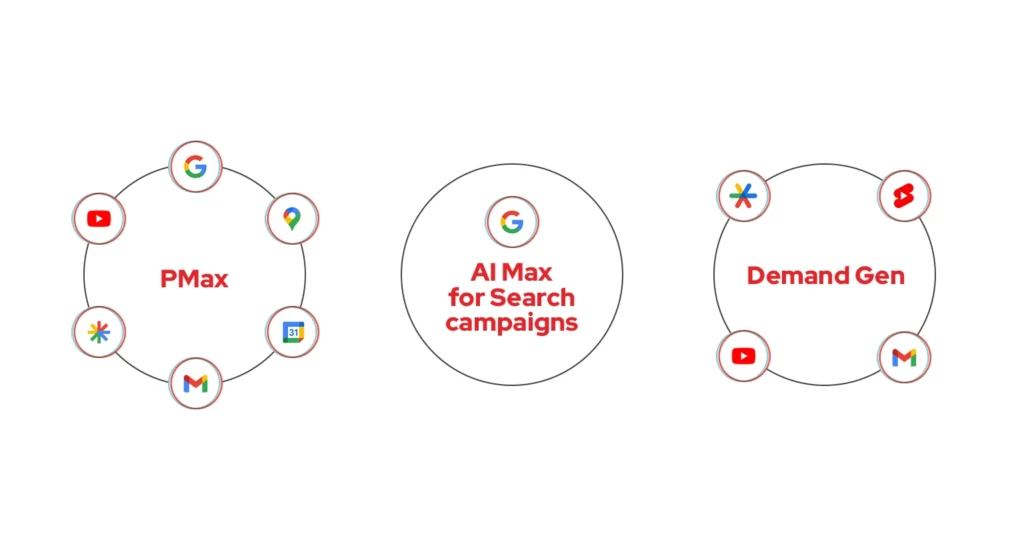
Search used to reward the highest bidder. In 2026, it rewards the most contextually relevant advertiser. Google AI Overviews and AI Mode have fundamentally changed where and how ads appear.
Ads now surface inside AI-generated answers, not just above or below them. Google evaluates both the user’s query and the content of its own AI response to decide which ad belongs there. A user asking about pool maintenance might see an ad for a pool vacuum, not because they searched for it, but because the AI’s answer made that the logical next step.
This is not a new ad format. It is a new placement for existing campaign types. Performance Max and Shopping campaigns have the strongest eligibility inside AI Overviews because they are keywordless and intent-flexible. Standard Search campaigns mostly appear above or below the AI-generated content, not within it.
What this means for campaign structure:
- Performance Max and Shopping campaigns are the primary route into AI Overview placements
- Contextual relevance to the AI response now matters as much as bid and Quality Score
- Clean conversion tracking and strong historical data are trust signals Google uses to surface ads in high-confidence AI environments
- Separate reporting for AI Overview impressions does not yet exist; they appear as top ads in standard reporting
It is no longer enough to bid on a keyword. Your ad must be contextually relevant to the solution the AI has already generated for the user.
6. Meta Ads Automation: From Creative to Delivery
Meta’s approach to AI in advertising is different from Google’s. Where Google is changing where ads appear, Meta is changing how ads are built and who sees them.
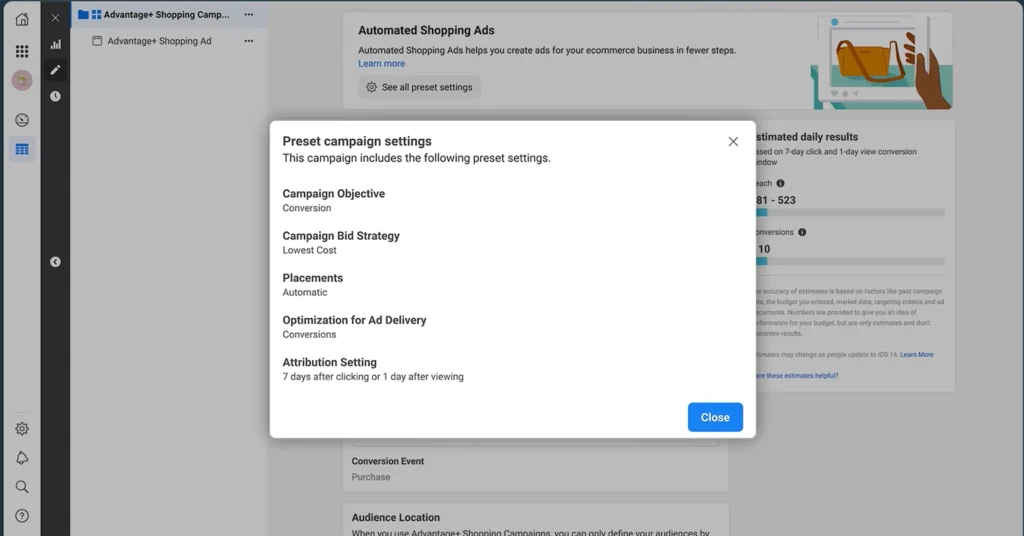
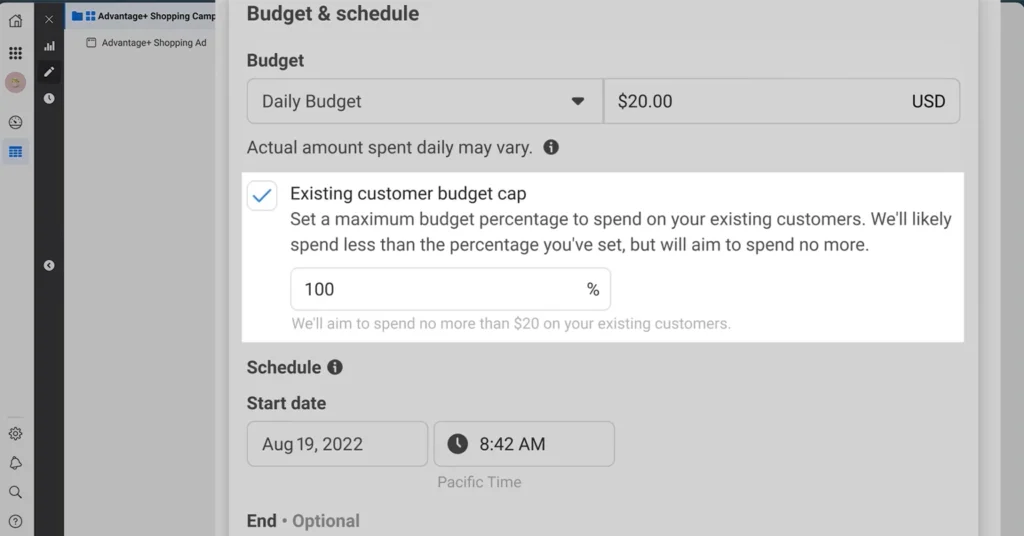
Meta Advantage plus is the automation layer behind this. It handles creative generation, audience matching, budget allocation, and delivery timing, continuously and in real time. An advertiser can feed in product details, images, and brand guidelines, and the system generates multiple ad variations, tests them across audiences, and shifts budget toward whatever is performing.
The targeting model has also changed. Instead of manually selecting demographics or interest categories, Meta’s AI identifies behavioral patterns across its platforms and builds predictive audience profiles. Lookalike Audiences, previously built by hand, are now constructed and refined automatically based on conversion signals.
Key capabilities running in 2026:
- Machine Learning Optimization: Meta’s AI automatically adjusts targeting, placements, and budgets to deliver the right message at the right time.
- Real-time budget: Reallocation toward top-performing ads within a campaign, without manual intervention
- Predictive delivery timing: ads are shown when individual users are most likely to engage, not on a fixed schedule
- Automated creative variation: multiple ad versions generated and tested without manual production for each
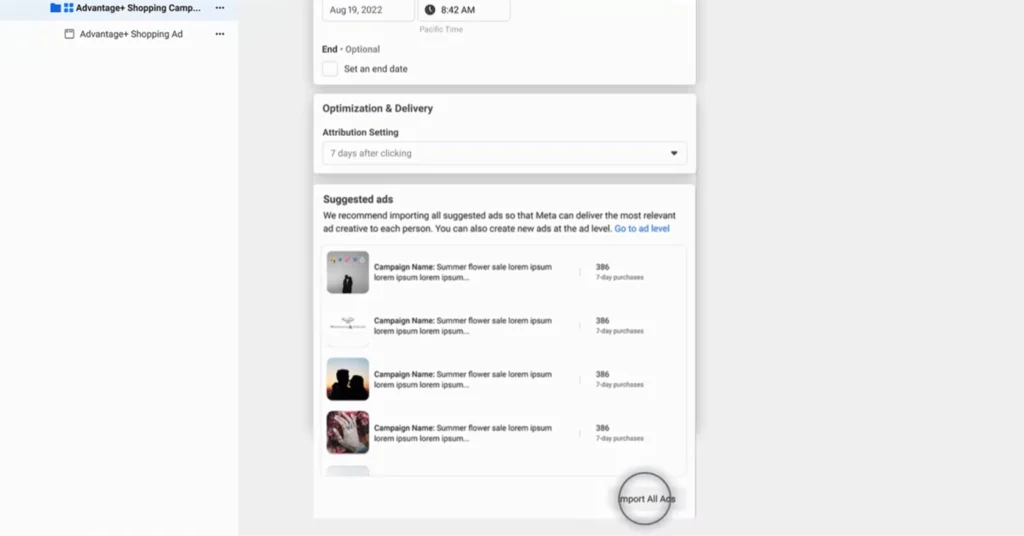
The role of the marketer shifts here. Human input is still essential for brand voice, creative direction, and deciding which products to prioritize. What AI removes is the production overhead and the guesswork around audience segmentation.
Meta’s AI works best as a creative partner, not a replacement. The brands seeing results are the ones giving it strong inputs, not just switching it on and stepping back.
7. Conversational AI and Agentic Customer Journeys
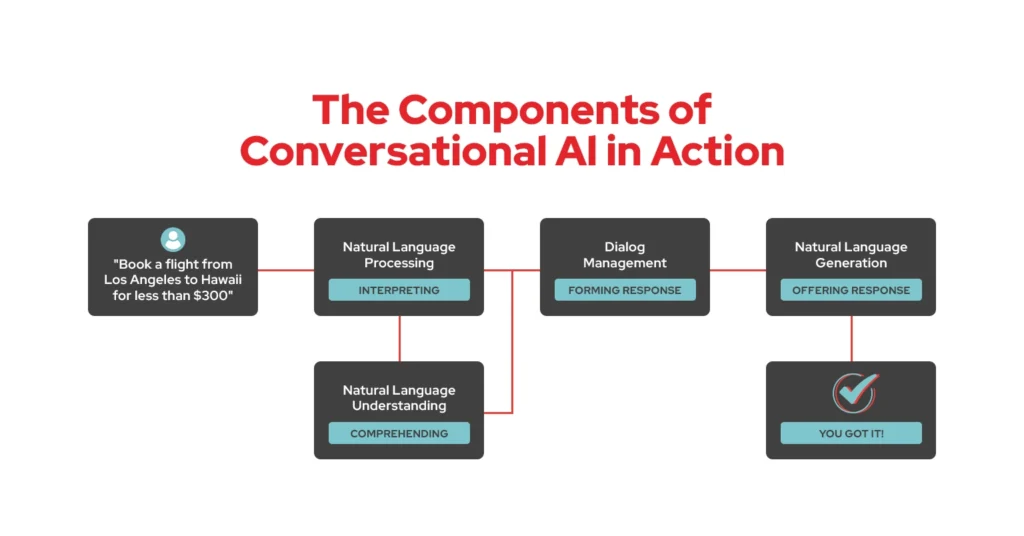
Chatbots from three years ago answered FAQs. They were useful for deflecting support tickets. Today’s conversational AI handles full customer journeys: product discovery, objection handling, post-purchase support, upsell conversations.
The practical upside for marketing teams is that every conversation generates behavioral data. What questions people ask, where they hesitate, what finally converts them, all of it feeds back into segmentation and personalization models.
This matters most in:
- High-consideration purchases where customers have questions before they commit
- Post-purchase moments where proactive support increases retention and LTV
- Lead qualification, where conversational AI can triage intent before sales involvement
8. Sentiment Analysis and Social Listening Automation
Brand reputation used to be measured quarterly. By the time data surfaced through a survey or NPS cycle, the situation had already moved.
AI sentiment tools now scan social media, reviews, forums, and news coverage continuously. When perception around a product or campaign shifts, the signal appears immediately, not at the next reporting cycle.
Practical applications:
- Real-time alerts when customer sentiment around a product, campaign, or topic changes
- Competitor intelligence pulled automatically from public conversations
- Customer feedback loops that feed directly into messaging and content decisions
The Part That Determines Whether Any of This Works
More automation does not produce better marketing on its own. The automations above deliver results when they are built on clean data, tied to clear business objectives, and reviewed by people with enough context to catch what the models miss.
MIT research found that 95 percent of generative AI pilots are failing to deliver measurable business value. The common factor is not a technology problem. It is a strategy problem: AI tools deployed without integration into core workflows and without clear success metrics.
The brands winning in 2026 are not the ones with the most AI tools. They are the ones who know exactly why they are using each one.
The automations in this article are not experimental. They are in production across B2B and B2C brands right now. The question is not whether to use them. It is how quickly you can build the foundation they need to run properly.
Conclusion
AI is not replacing marketers in 2026; it’s helping them work faster and smarter. It takes care of repetitive tasks like analyzing data, sending messages, adjusting ads, and tracking customer behavior in real time. This allows marketers to focus more on creativity, strategy, and understanding people.
But just using AI tools is not enough. They only work well when they are set up properly, connected to clear goals, and supported by good data. Many companies fail because they use AI without a clear plan.
The teams that are winning are not the ones using the most AI, they are the ones using it with purpose. If used correctly, AI can make marketing more personalized, efficient, and effective than ever before.
At Marketing Bee, we have already adopted this AI-driven approach to help brands achieve smarter, faster, and more impactful marketing results. If you’re ready to implement AI with the right strategy, connect with Marketing Bee today.
FAQs
What is AI automation in digital marketing?
AI automation means using smart tools to do marketing tasks automatically. These tools can analyze data, send emails, show ads, and understand customer behavior without needing constant human work.
Will AI replace marketers?
No, AI will not replace marketers. It helps by handling repetitive tasks, but humans are still needed for creativity, strategy, and decision-making.
How does AI improve marketing results?
AI improves marketing by making it faster and more accurate. It can personalize messages, target the right audience, and adjust campaigns in real time, which leads to better results.
Is AI marketing only for big companies?
No, even small businesses can use AI tools today. Many platforms are affordable and easy to use, so anyone can start using AI in their marketing.
What is the biggest mistake companies make with AI?
The biggest mistake is using AI without a clear plan. If the data is messy or goals are not clear, AI tools will not give good results.
Explore this content with AI:
Recent Post
How Marketing Bee Built Dr. Masum’s Search Presence in Just 6 Months
Alif Meherab
June 23, 2026
From Followers to Customers: Targeting Gen Z Through AI-Driven Omnichannel Marketing in Bangladesh
Alif Meherab
May 20, 2026
Is Your AI Content Hurting Your SEO? Here’s the Truth Nobody’s Saying
Alif Meherab
April 21, 2026

Alif Meherab is a digital strategist and front-end developer specializing in netnographic communications, brand positioning, and neuromarketing tactics. With expertise in UI design, digital marketing strategy, and promotional storytelling, Alif helps brands connect with audiences through impactful copy, engaging visuals, and retention-driven social media campaigns.
- Alif Meherab
- Alif Meherab
- Alif Meherab
- Alif Meherab
- Alif Meherab
- Alif Meherab